
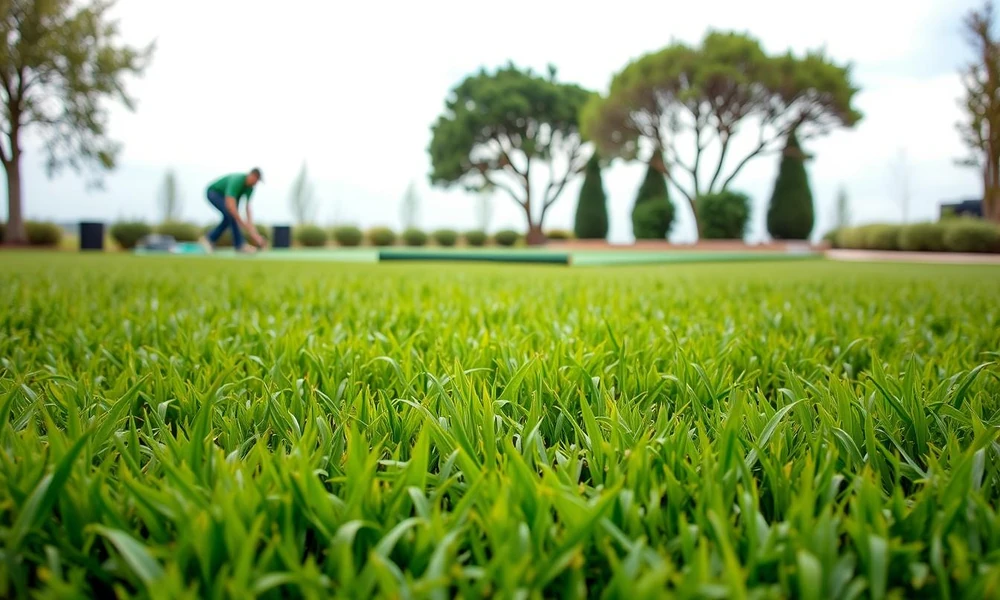
Spending every hot Saturday behind a loud machine gets old quickly. Most yards around here need cutting almost weekly once the heat sets in. Switching to dk seeds native turf changed how often that chore comes around. These grasses grow slower plus stay shorter during the hottest stretch of the year. Less trimming also means lower fuel bills over a full growing season. Getting there simply takes good planning during the first year.
Fewer Cuts Through Hot Months
Traditional lawns often need trimming every five to seven days in July. Buffalograss usually needs cutting only every three or four weeks. Some owners trim it just two or three times across the whole season. Left alone, it rarely grows taller than six or eight inches.
Slow Growing by Design
These grasses evolved on open prairies where rain arrives unpredictably. They save energy by putting more growth into roots than leaves. Deep roots help plants survive dry spells without constant watering. Slower top growth naturally means fewer trips around the yard.
Grasses Worth Considering
Regional seed offerings usually focus on a few proven warm-season grasses. Matching the right one to your site matters more than anything else.
- Buffalograss forms a soft, low cover that spreads by runners.
- Blue grama has fine leaves plus curved seed heads in late season.
- Blends combining both grasses fill gaps faster than single varieties.
- Treated buffalograss burs sprout quicker than untreated seed in warm soil.
- Full sun locations deliver the healthiest stands for these species.
- Well-drained ground prevents root problems during heavy autumn rains.
- Shaded yards usually struggle because these plants need direct sunlight.
- Light foot traffic suits them better than daily sports or play.
Height Settings That Work
Raise the mower deck to three or four inches for these grasses. Cutting lower stresses plants and invites weeds into thin spots. A sharp blade gives a cleaner cut on fine leaves. Leaving clippings in place returns nutrients into the soil.
How Much Water Do These Grasses Actually Need?
Established buffalograss often survives on rainfall alone in drier regions. During long dry stretches, a deep soak every two to four weeks usually keeps it green. Without water, it turns tan but typically recovers after rain returns.
New plantings are different. Seedlings need light daily watering for the first several weeks. Homeowners starting dk seeds native turf from scratch should expect higher water use during establishment. After roots develop, watering can drop sharply compared to traditional grass.
Establishing Growth, the Correct Way
Sow once the soil stays above roughly 65 degrees Fahrenheit, usually April through June. Buffalograss typically goes down at two to four pounds per thousand square feet. Rake seed lightly into a firm, weed-free bed before watering. Expect full coverage within one to two growing seasons.
Common Homeowner Questions Answered Briefly
- How often should these grasses be cut? Roughly every three to four weeks.
- Will they stay green all year? No, they turn tan after frost until spring warms.
- Do they handle dogs running around? Light pet use is fine; heavy wear thins stands.
- Is fertilizer necessary? Rarely; about one light feeding yearly is usually plenty.
- Can existing grass be over seeded directly? Results improve when old grass is removed before sowing.
- Does shade affect growth? Yes, these plants need at least six hours of sun.
Less Work Without Losing Curb Appeal
A yard needing little attention begins by matching grass to sunny, well-drained ground. Set the cutting deck higher, then let clippings stay where they fall. Water deeply but rarely once roots take hold. Patience during the first year pays off through many quieter weekends later. Steady habits matter more than chasing a perfect green carpet.

Comments are closed.