
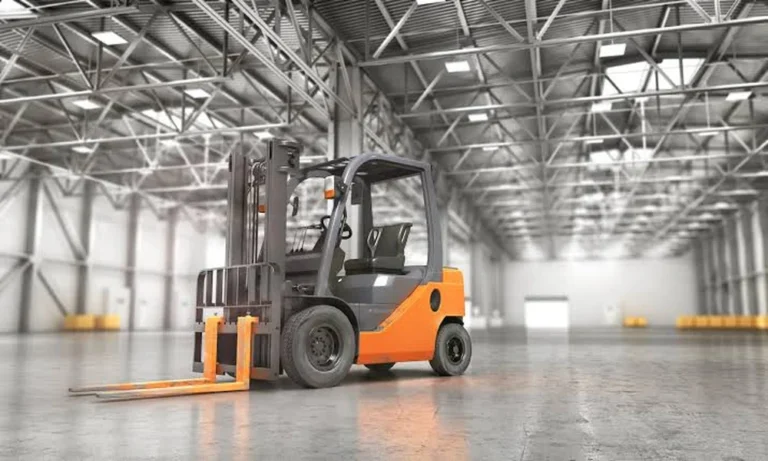
Key Takeaways
Lower upfront costs: Renting forklifts helps businesses avoid the substantial initial expense of purchasing equipment.
Flexible operations: Rental options allow companies to adjust equipment availability based on seasonal demand and project requirements.
Access to modern equipment: Businesses can choose from available forklift models with features suited to their material-handling needs.
Reduced maintenance responsibilities: Depending on the rental agreement, maintenance and repair support may be provided by the rental company.
Improved workplace productivity: Selecting the right forklift for the job can help streamline loading, unloading, and warehouse operations.
Better equipment planning: Evaluating load capacity, operating conditions, and rental terms helps businesses make informed decisions.
Why Forklift Rental Makes Business Operations More Efficient
Businesses that handle inventory, construction materials, or warehouse goods depend on reliable equipment to keep operations moving. However, purchasing and maintaining forklifts can require significant capital, ongoing maintenance, and long-term planning.
For companies looking for a more flexible approach, forklift rental in Austin, TX can provide access to equipment without the long-term commitment of ownership. Renting allows businesses to select equipment based on current operational needs while preserving resources for other priorities.
Here are six reasons forklift rental can help improve business efficiency.
1. Lower Upfront Costs and Better Cash Flow Management
Purchasing a forklift requires a substantial financial commitment. In addition to the purchase price, businesses may need to account for insurance, maintenance, storage, and eventual replacement costs.
Renting offers an alternative by allowing companies to pay for equipment according to an agreed rental period. This can help businesses avoid tying up a large portion of their available capital in machinery that may not be needed continuously.
The financial flexibility can be especially useful for startups, small businesses, and companies managing multiple projects at once.
Key financial benefits may include:
- Reduced initial investment: Avoid the large upfront payment associated with purchasing equipment.
- More predictable budgeting: Plan around the rental rate and any additional fees specified in the agreement.
- Capital preservation: Keep funds available for inventory, staffing, supplies, and other business priorities.
- Project-based spending: Match equipment expenses more closely to the duration of a specific project.
Although renting does not automatically cost less than owning over the long term, it can be a practical option when businesses need equipment temporarily or want to preserve working capital.
2. Greater Flexibility During Seasonal Peaks and Changing Demand
Business demand rarely stays the same throughout the year. Warehouses may experience increased activity during holiday periods, construction companies may need additional equipment for particular projects, and distributors may face temporary increases in order volume.
Buying additional forklifts to accommodate these fluctuations can leave a company with underused equipment once demand returns to normal.
Rental arrangements can help businesses scale their equipment availability according to operational requirements. Companies can explore short-term rentals for temporary projects or longer arrangements when equipment is needed for an extended period.
This flexibility can help businesses:
- Respond to seasonal demand: Add equipment when order volumes or workloads increase.
- Support temporary projects: Obtain forklifts for specific jobs without committing to permanent ownership.
- Adjust equipment needs: Choose different equipment options as projects and workloads change.
- Reduce underutilization: Avoid keeping additional forklifts idle when demand decreases.
For Austin businesses dealing with changing workloads, the ability to align equipment availability with actual demand can support more efficient resource planning.
3. Access to Suitable and Modern Forklift Equipment
Different material-handling tasks require different types of equipment. A warehouse with narrow aisles may need a compact forklift, while a construction site may require a model designed for uneven outdoor surfaces.
Purchasing equipment can limit a business to the models it has already invested in. Renting may provide access to a wider selection of equipment, depending on the rental provider’s available inventory.
This makes it easier to select a forklift that matches the job rather than forcing a single machine to handle every application.
When choosing rental equipment, businesses should consider:
- Load capacity: Ensure the forklift is rated to handle the intended loads safely.
- Lift height: Match the equipment to the height of racks, shelving, or unloading areas.
- Operating environment: Consider whether the machine will be used indoors, outdoors, or on uneven terrain.
- Maneuverability: Choose equipment appropriate for aisle widths and available working space.
- Safety features: Review operator visibility, stability features, and other relevant safety provisions.
Access to newer equipment may also provide useful technology or safety features, but availability varies by provider. Businesses should confirm the specifications and condition of the actual forklift before finalizing a rental.
4. Fewer Equipment Maintenance Responsibilities
Forklift maintenance is essential for safe and reliable operations. Regular inspections, servicing, and repairs help identify problems before they cause equipment failures or disrupt a work schedule.
However, managing maintenance can take time and require additional resources. Businesses that own their forklifts must plan for routine servicing and unexpected repairs.
Renting may reduce some of this responsibility, depending on the terms of the rental agreement. Some providers offer maintenance support or repair services, while other agreements may place certain responsibilities on the renter.
Before renting, businesses should clarify:
- Maintenance coverage: Determine which routine services are included.
- Repair responsibilities: Understand who handles breakdowns and which costs may apply.
- Replacement procedures: Ask what happens if the forklift becomes unavailable during the rental period.
- Inspection requirements: Confirm the equipment’s inspection status and the renter’s obligations.
- Support availability: Find out how to report equipment issues and request assistance.
Clear expectations can help prevent unexpected expenses and reduce avoidable interruptions. Businesses should always review the agreement rather than assuming all maintenance and repair costs are included.
5. Improved Productivity and More Efficient Material Handling
Forklifts help businesses move heavy loads, organize inventory, and transport materials across warehouses, distribution centers, and job sites. When the right equipment is available, workers can complete suitable material-handling tasks more efficiently than they could using manual methods alone.
Rental equipment can support productivity by giving businesses access to a forklift that matches their workload and operating environment.
For example, a distribution center experiencing a temporary increase in deliveries may rent an additional forklift to help move pallets between receiving, storage, and dispatch areas. This can help the team manage increased activity without purchasing equipment for long-term use.
Potential operational advantages include:
- Faster loading and unloading: Move suitable palletized goods more efficiently.
- Improved inventory movement: Transfer materials between storage areas and workstations.
- Better workflow coordination: Assign equipment to specific tasks and operating zones.
- Reduced manual handling: Use appropriate mechanical equipment for loads that would otherwise require more labor-intensive handling.
- More responsive operations: Obtain additional equipment when workload requirements change.
Productivity gains depend on equipment suitability, operator training, workplace layout, and how effectively tasks are organized. Businesses should also ensure operators are properly trained and authorized for the equipment they use.
6. Better Equipment Planning and Workplace Safety
Choosing a forklift based only on availability or rental price can create operational challenges. Equipment that cannot safely handle the required load or maneuver through the work area may cause delays and increase risk.
A more effective approach is to assess operational requirements before booking a rental. This helps businesses select equipment that supports both productivity and workplace safety.
Start by identifying the heaviest loads, required lifting heights, aisle dimensions, ground conditions, and expected daily usage. Businesses should also consider attachments, fuel or charging requirements, and any restrictions in the intended work area.
Important planning considerations include:
- Load and capacity requirements: Check the forklift’s rated capacity and load center against the intended application.
- Workplace conditions: Consider floor strength, ramps, slopes, clearance, and surface conditions.
- Operator training: Ensure operators have the required training and authorization for the equipment and task.
- Safety inspections: Follow applicable inspection procedures and report equipment defects promptly.
- Regulatory compliance: Confirm relevant federal, state, and local requirements for the workplace and equipment.
Businesses operating in Austin should review applicable workplace safety requirements and consult qualified safety professionals when necessary. Proper equipment selection and safety planning can help reduce disruptions, protect workers, and keep material-handling activities organized.
How to Choose the Right Forklift Rental for Your Business
Understanding the benefits of rental equipment is only the first step. To make the most of a rental, businesses should evaluate their operational requirements and compare available options carefully.
Identify Your Equipment Requirements
Begin by determining the type of materials being handled, their maximum weight, and how high they need to be lifted. Consider whether the forklift will operate in a warehouse, on a construction site, or in another environment.
The rental provider can help identify suitable models based on these requirements. Providing accurate information about the job helps reduce the risk of choosing equipment that is unsuitable for the task.
Compare Rental Terms and Total Costs
Rental prices can vary based on the equipment model, rental duration, delivery arrangements, and included services. A low advertised rate may not reflect the total cost of using the forklift.
- Daily, weekly, or monthly rental rates.
- Delivery and pickup charges.
- Fuel, charging, or operating requirements.
- Maintenance and repair coverage.
- Insurance, damage, and liability provisions.
- Late-return fees and extension policies.
A clear comparison helps businesses budget accurately and avoid surprises during the rental period.
Confirm Availability and Support
Equipment availability matters when a project depends on a specific start date. Businesses should confirm the requested forklift type, rental duration, delivery schedule, and any support arrangements before making commitments.
It is also helpful to ask how the provider handles equipment problems or changes in project requirements. Reliable communication can make it easier to manage unexpected issues and maintain operational continuity.
Real-World Applications of Forklift Rental
Forklift rental can be useful across several industries, particularly when equipment requirements change over time.
Warehousing and Distribution
Warehouses and distribution centers regularly move pallets, replenish storage locations, and prepare orders for shipment. Renting additional forklifts during busy periods can help operations handle temporary increases in workload.
For example, a distributor preparing for a seasonal sales rush may rent another forklift to support receiving and order fulfillment. Once demand decreases, the company can return the additional equipment instead of maintaining a larger permanent fleet.
Construction and Building Materials
Construction projects often require equipment to move building supplies, pallets, and other materials around a job site. The appropriate forklift depends on the load, ground conditions, lifting requirements, and site layout.
Rental arrangements can help contractors obtain suitable equipment for a defined project period. Coordinating the rental schedule with the construction timeline can also help avoid paying for equipment that is no longer needed.
Manufacturing and Industrial Operations
Manufacturing facilities may use forklifts to transport raw materials, move work in progress, and handle finished products. Temporary rental equipment can provide additional capacity during production increases, facility changes, or equipment downtime.
By matching rental periods to operational needs, businesses can support material flow while evaluating their longer-term equipment requirements.
Frequently Asked Questions
Which businesses can benefit from forklift rental in Austin, TX?
Warehouses, distribution centers, construction companies, manufacturers, retailers, and businesses handling heavy materials may benefit from forklift rental. It can be especially useful for seasonal demand, temporary projects, or short-term equipment needs.
Is renting a forklift more affordable than buying one?
Renting can reduce upfront expenses and avoid some ownership responsibilities. However, purchasing may be more economical for businesses that need a forklift consistently over many years. The best option depends on utilization, maintenance costs, financing, and rental rates.
Can I rent a forklift for a short-term project?
Many rental providers offer different rental durations, which may include daily, weekly, or monthly arrangements. Availability and minimum rental periods vary, so confirm the terms with the provider.
What should I consider before selecting a forklift?
Consider load capacity, lift height, operating environment, aisle dimensions, ground conditions, and any required attachments. You should also verify equipment condition, operator requirements, and applicable safety obligations.
Does forklift rental include maintenance and repairs?
Coverage depends on the rental agreement. Some providers include certain maintenance or repair services, while other costs or responsibilities may remain with the renter. Review the agreement before accepting the equipment.
Can renting a forklift help improve productivity?
It can, particularly when the equipment is appropriate for the task and available when needed. A suitable forklift may help streamline loading, unloading, storage, and material transport. Actual results depend on workflow, operator training, and workplace conditions.
Are there additional costs associated with forklift rental?
Potential additional costs include delivery and pickup, fuel or charging, insurance, damage charges, and late-return fees. Ask for a breakdown of the total rental cost before confirming the booking.
What safety requirements should businesses follow when renting forklifts?
Businesses should ensure equipment is appropriate for the job, properly inspected, and operated by trained and authorized personnel. They must also follow applicable workplace safety regulations and the manufacturer’s operating instructions.
How far in advance should I reserve a forklift?
The ideal lead time depends on equipment availability, project timing, and seasonal demand. Contacting a rental provider early can help you confirm the correct model and arrange delivery when needed.
How can I make the most of a forklift rental?
Define your equipment requirements, compare the full rental costs, confirm delivery and support arrangements, and coordinate the rental period with your project schedule. Proper operator training and daily safety practices can also help make equipment use more efficient.
Useful Resources
- Occupational Safety and Health Administration (OSHA) – Provides guidelines and regulations regarding workplace safety, including forklift operations.
- American National Standards Institute (ANSI) – Offers standards and guidelines that pertain to safety and performance in material handling equipment.
- National Safety Council (NSC) – Focuses on safety education and training resources, including materials for safe forklift operation.
- Industrial Accident Review Board (IARB) – Includes resources on industrial safety practices and accident prevention in heavy machinery use.
- American Association of Transportation and Infrastructure (AATI) – Provides insights on the transportation and industrial equipment sectors, including rental strategies.
- National Multi Housing Council (NMHC) – Offers resources on industry standards for various types of equipment, including forklifts used in construction and warehouse settings.
- Caterpillar Cat Rental Store – A leading provider of rental equipment; provides insights on equipment specifications and business solutions.
- Material Handling Industry (MHI) – Offers educational resources and standards for material handling, including forklift operations and rental strategies.
- JLG Industries – Manufacturer and provider of aerial work platforms and lifts, offering resources related to equipment rental and safety training.